
 By admin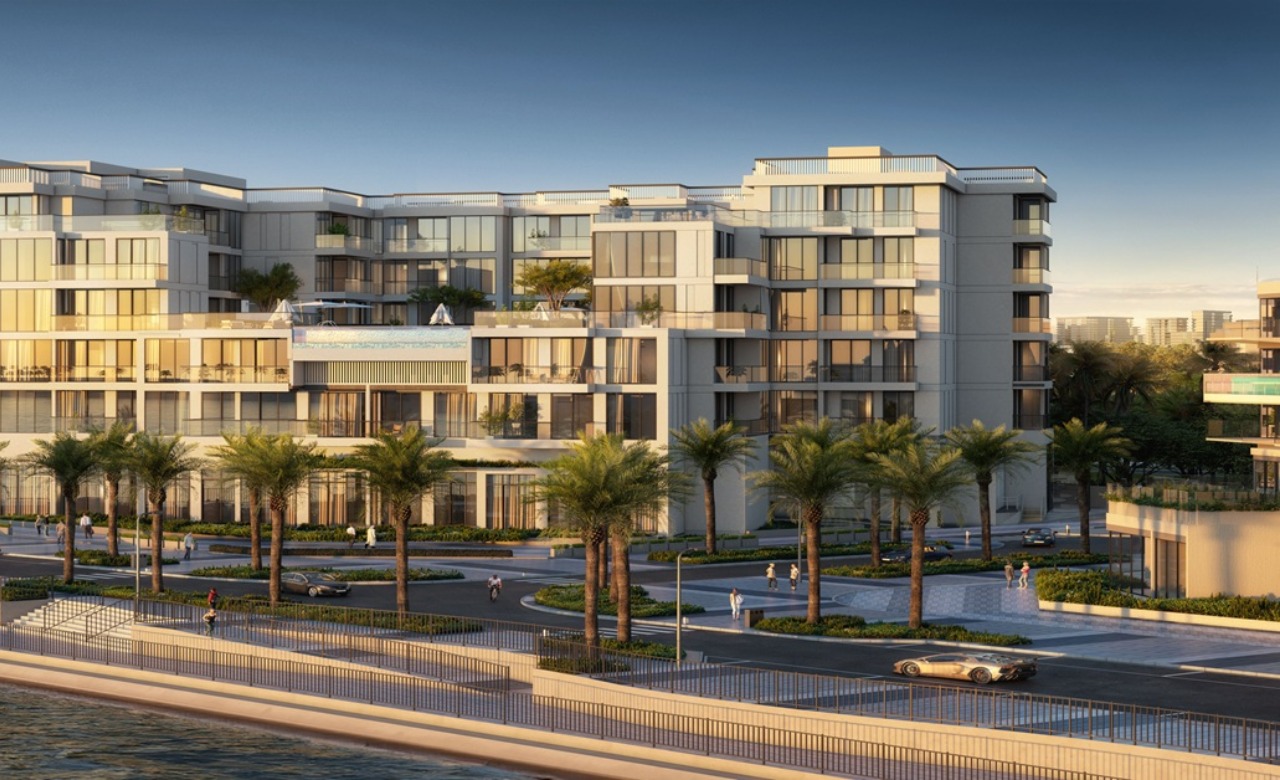
Bangalore’s real estate market has undergone a decisive geographic shift over the past decade. While traditional hotspots like Whitefield and Sarjapur led the first wave of IT-driven housing demand, the next growth cycle is unfolding in the eastern periphery—particularly in Hoskote. This transformation is fueled by infrastructure expansion, land availability, and the growing preference for integrated living environments.
At the center of this momentum is Sobha Hoskote, an expansive 48-acre mixed-use township by Sobha Limited in Bangalore. With plans for 18 high-rise towers, over 5,400 homes, and a blend of residential, retail, and commercial components, the project represents a new era of master-planned communities designed to align with evolving homebuyer expectations.
Understanding the demand for this development requires examining the macro real estate trends reshaping Bangalore’s housing landscape.
Sobha Hoskote: Positioned at the Intersection of Growth and Livability
The demand for Sobha Hoskote is rooted in its strategic alignment with Bangalore’s outward urban expansion. As central zones grow saturated, buyers are seeking developments that offer both connectivity and long-term appreciation potential.
Key project highlights:
| Parameter | Details |
|---|---|
| Land Area | 48 Acres |
| Development Type | Mixed-Use Township |
| Towers | 18 High-Rise Structures |
| Units | 5,406 Apartments |
| Configuration | 2 & 3 BHK |
| Structure | 3 Basements + Ground + 54 Floors |
| Retail | G+1 Format |
| Commercial | G+4 Blocks |
| Status | Upcoming / Pre-Launch |
This scale enables infrastructure-led planning—something increasingly valued by modern homebuyers who prefer self-contained communities over fragmented housing clusters.
Sobha Hoskote Bangalore: Infrastructure-Led Demand Is Reshaping Buyer Preferences
The surge in interest for sobha hoskote bangalore reflects a broader shift from speculative buying to infrastructure-backed investment.
Key drivers include:
- Expansion of arterial road networks toward East Bangalore
- Industrial and logistics ecosystem growth
- Improved access to IT corridors without inner-city congestion
- Increasing migration toward peripheral, well-planned zones
Today’s buyers are no longer prioritizing proximity to the city core alone. Instead, they seek predictable commute patterns, cleaner environments, and scalable infrastructure—all characteristics emerging strongly in Hoskote.
This evolution mirrors earlier transformations seen in Whitefield two decades ago, making East Bangalore one of the most closely watched micro-markets.
Sobha Township Hoskote: The Shift Toward Integrated Living Models
One of the strongest trends influencing demand is the transition from standalone apartment buildings to large-format communities. Sobha township hoskote reflects this model, where residential living is supported by embedded retail, workspaces, and recreation.
Why integrated townships are gaining traction:
- Urban residents want daily conveniences within walking distance
- Families prefer secure, managed environments
- Developers can create holistic infrastructure rather than piecemeal solutions
- Communities foster stronger social ecosystems
This township concept reduces dependence on external civic systems, making it highly attractive for long-term residents rather than short-term investors.
Sobha Hoskote Township Bangalore: Scale as a Value Multiplier
The sheer scale of sobha hoskote township bangalore enables efficient land utilization and better lifestyle planning.
Large land parcels allow:
- Higher open-space ratios
- Organized traffic circulation
- Dedicated zones for leisure and wellness
- Sustainable infrastructure planning
Such developments command greater long-term value because they deliver a cohesive living experience—something increasingly scarce in dense urban areas.
Sobha Villas Hoskote: Demand for Low-Density Living Is Influencing Design Trends
Post-pandemic housing preferences have elevated interest in low-density environments. Even within high-rise townships, design philosophies now borrow from villa-style planning—reflected in the concept surrounding sobha villas hoskote.
Market trends supporting this shift:
- Families seek privacy and reduced crowding
- Outdoor access is becoming a lifestyle necessity
- Buyers value spatial comfort over sheer centrality
- Hybrid living models combine apartment convenience with villa-like openness
This blending of typologies is redefining what modern urban housing looks like.
Sobha Apartments Hoskote: Functional Homes for Evolving Urban Lifestyles
The demand for sobha apartments hoskote is strongly tied to demographic change. Bangalore’s workforce now includes:
- Young professionals transitioning to family life
- Remote and hybrid workers needing flexible spaces
- Multi-generational households requiring efficient layouts
Apartments are no longer just compact units—they must support:
- Work-from-home functionality
- Wellness-oriented living
- Storage and adaptability for long-term occupancy
Projects designed around usability rather than density are seeing sustained buyer interest.
Sobha Upcoming Projects in Bangalore: Brand Trust as a Market Driver
Another major trend shaping demand is the increasing reliance on reputed developers. Buyers are prioritizing delivery credibility, construction quality, and long-term maintenance standards.
This is why sobha upcoming projects in bangalore generate significant traction even before launch. Brand-backed developments offer:
- Greater transparency
- Higher resale confidence
- Stronger rental potential
- Long-term asset reliability
In a maturing real estate market, trust has become as important as location.
Sobha World City: Global Township Models Influencing Indian Urban Development
The philosophy behind integrated townships in India draws inspiration from large-scale international developments like Sobha World City. Such models demonstrate how residential, commercial, and social infrastructure can coexist seamlessly.
These global precedents influence Indian projects by emphasizing:
- Walkable urban planning
- Mixed-use sustainability
- Community-driven environments
- Reduced commute dependency
Sobha Hoskote adopts similar principles tailored to Bangalore’s evolving metropolitan framework.
Projects in Hoskote: Micro-Market Transformation Driving Investment Momentum
The surge of projects in hoskote signals a transition from peripheral suburb to structured residential hub.
Why Developers Are Focusing on Hoskote
| Growth Factor | Impact on Real Estate |
|---|---|
| Availability of Large Land Parcels | Enables Township Development |
| Infrastructure Expansion | Improves Accessibility |
| Industrial Growth | Generates Employment Demand |
| Price Advantage vs Core Bangalore | Attracts First-Time Buyers |
| Long-Term Urban Expansion | Ensures Appreciation Potential |
This combination makes Hoskote one of the few zones capable of supporting next-generation residential planning.
Investment Trends Favoring Mixed-Use Developments
Investors increasingly favor projects that create their own ecosystems. Mixed-use townships offer:
- Built-in rental demand from commercial activity
- Higher livability indices
- Stronger resale value due to integrated planning
- Reduced dependency on external civic growth
Sobha Hoskote’s inclusion of retail and commercial zones positions it advantageously in this investment cycle.
Demographic Shifts Reshaping Housing Demand
Changing buyer demographics are redefining real estate priorities:
- Millennials prioritizing lifestyle over proximity
- Families seeking community environments
- Professionals valuing flexibility and open spaces
- Investors focusing on growth corridors rather than saturated zones
Developments aligned with these behavioral changes are witnessing faster absorption rates.
Upcoming Residential Projects in Bangalore: A City Expanding Through Planned Corridors
The emergence of large-scale developments reflects the broader transformation seen in upcoming residential projects in Bangalore. Today’s bangalore residential upcoming projects are characterized by integrated infrastructure rather than isolated buildings.
Growth patterns show clear geographic diversification:
- Upcoming residential projects in north bangalore are driven by airport-led expansion.
- Upcoming residential projects in whitefield bangalore are transitioning toward redevelopment and premiumization due to land scarcity.
- Eastern corridors like Hoskote are absorbing the next wave of large-format township growth.
This redistribution is reshaping Bangalore into a multi-nodal metropolis.
FAQs
Q1. Why is Sobha Hoskote gaining attention in Bangalore’s real estate market?
Because it aligns with infrastructure growth, township-based living trends, and demand for large-scale integrated communities.
Q2. What configurations are planned?
Primarily 2 and 3 BHK apartments supported by retail and commercial infrastructure.
Q3. How does Hoskote compare to traditional residential hubs?
It offers greater land availability, planned growth potential, and reduced congestion.
Q4. Is this project suited for end-users or investors?
Both—end-users benefit from livability, while investors gain from long-term appreciation potential.
Q5. What differentiates township developments from standalone projects?
Townships provide self-sustained ecosystems rather than relying solely on surrounding infrastructure.
Conclusion: Sobha Hoskote Reflects the Future Direction of Bangalore Real Estate
The demand for Sobha Hoskote Bangalore is not an isolated phenomenon—it is the result of powerful real estate trends reshaping how cities grow and how people choose to live.
Driven by:
- Infrastructure-led expansion into East Bangalore
- The shift toward integrated township living
- Rising preference for low-density, lifestyle-oriented environments
- Brand-backed development credibility
- Changing demographic and work-life patterns
Sobha Hoskote stands as a response to the evolving expectations of urban India.
As Bangalore transitions from a centralized city to a network of planned residential corridors, developments like this are poised to define the next chapter of metropolitan living—where convenience, community, and connectivity coexist within thoughtfully designed environments.