
 By admin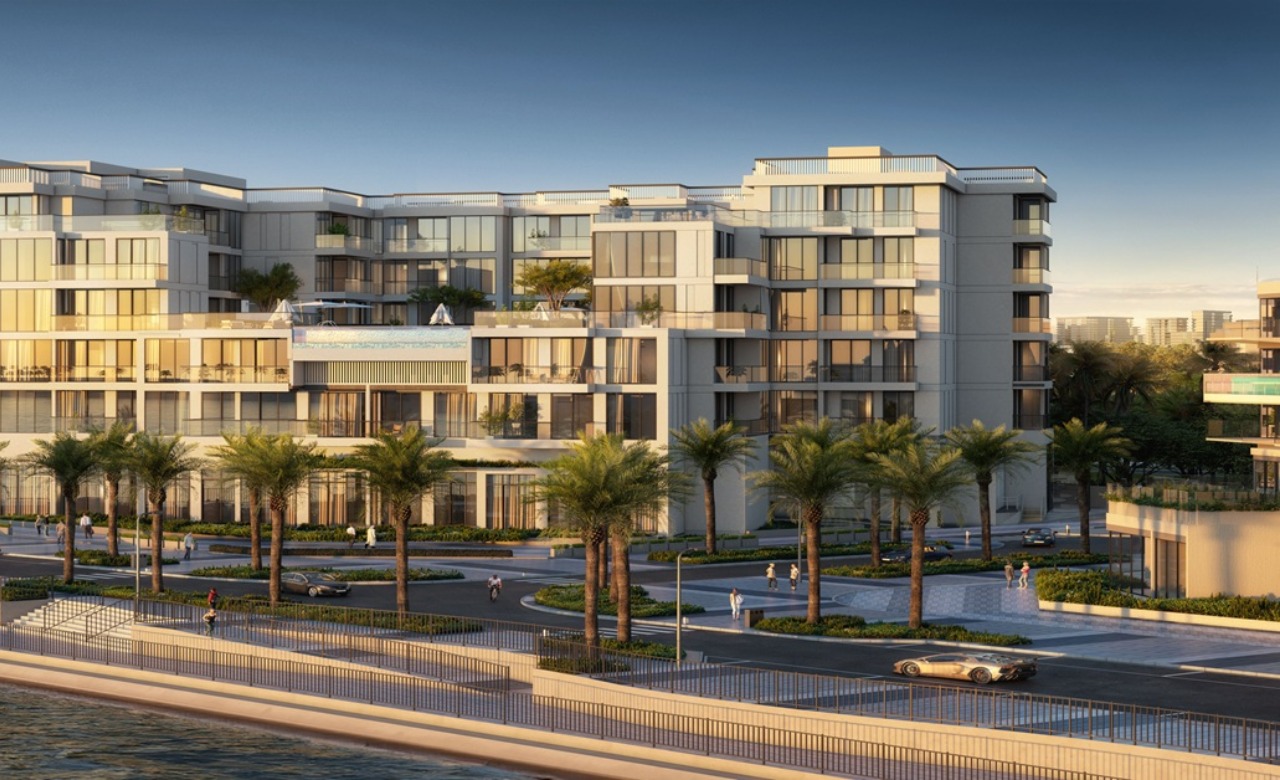
Bangalore’s growth story is both inspiring and alarming. While the city has become India’s technology and startup capital, it has also earned an unfortunate reputation for traffic congestion, shrinking green cover, and overburdened civic infrastructure. For years, real estate development focused on micro-markets—small parcels near IT hubs—leading to dense clusters of high-rises, choked roads, and stressed utilities.
In this context, large-scale integrated townships are no longer just a lifestyle upgrade; they are an urban solution. Among the most talked-about examples is Sobha Hoskote, a 48-acre mixed-use township in East Bangalore developed by Sobha Group.
Sobha Hoskote: Understanding Congestion Through an Urban Lens
When we talk about congestion, we often think only of traffic. In reality, congestion is multi-dimensional:
- Road congestion (traffic bottlenecks)
- Residential congestion (overcrowded towers)
- Infrastructure congestion (water, sewage, power)
- Social congestion (lack of open spaces, amenities)
Sobha Hoskote addresses all these layers through scale and planning.
Unlike isolated apartment projects built on 3–5 acres, Sobha Hoskote spans 48 acres, allowing for proper zoning. Residential towers, retail zones, commercial blocks, green corridors, and internal roads are all pre-planned, not squeezed in later.
By placing homes, workplaces, daily retail, and leisure within one ecosystem, Sobha Hoskote significantly reduces the need for external travel. Fewer cars leaving the township each morning means less pressure on arterial roads—one of the biggest contributors to city congestion.
The township model flips the old equation: instead of people chasing infrastructure, infrastructure comes to the people.
Sobha Hoskote Bangalore: Decentralising Growth from Overloaded IT Hubs
Central and eastern IT hubs like Whitefield and Outer Ring Road are victims of their own success. Employment growth outpaced planning, resulting in:
- Daily traffic jams stretching for kilometers
- Residential towers built back-to-back
- Overloaded flyovers and junctions
Sobha Hoskote Bangalore plays a critical role in decentralising this growth.
Hoskote lies in East Bangalore but outside the most congested core zones. By creating a township large enough to support residential, retail, and commercial activity internally, Sobha Hoskote reduces dependence on Whitefield for every daily need.
As more professionals choose to live in such townships, employment and commercial activities gradually follow residents, easing pressure on traditional hubs. This decentralisation is a globally proven urban strategy, seen in cities like Singapore and London.
Sobha Hoskote Bangalore is not moving people away from the city—it is reshaping the city outward in a healthier, more sustainable way.
Sobha Township Hoskote: Mixed-Use Planning as a Traffic Solution
One of the strongest congestion-fighting tools is mixed-use development, and Sobha township Hoskote is a textbook example.
What Mixed-Use Means in Practice:
- Homes near offices reduce commute distances
- Retail within walking distance cuts short vehicle trips
- Recreational amenities inside the township prevent weekend travel surges
In traditional apartment layouts, even basic needs—groceries, gyms, cafés—require stepping out onto city roads. Multiply this by thousands of households, and congestion becomes inevitable.
Sobha township Hoskote integrates:
- Retail spaces (G+1) for daily needs
- Commercial spaces (G+4) for offices and services
- Residential towers for varied household types
This internalisation of movement dramatically reduces vehicular load on city infrastructure, making townships a practical congestion solution—not just a lifestyle feature.
Sobha Hoskote Township Bangalore: Scale That Enables Smart Infrastructure
The effectiveness of Sobha Hoskote township Bangalore lies in its scale. With 18 high-rise towers and 5,406 apartments, the project is large enough to justify:
- Wide internal roads
- Dedicated service lanes
- Centralised utilities
- Professional traffic flow planning
Township Infrastructure Snapshot
| Component | Planning Advantage |
|---|---|
| Land Area | 48 Acres – allows zoning |
| Towers | 18 – optimised spacing |
| Floors | Up to G+54 – vertical density with open land |
| Utilities | Centralised & efficient |
| Roads | Designed for internal circulation |
Unlike piecemeal developments, this scale allows Sobha to design traffic flow before residents move in, preventing chaos later.
Sobha Villas Hoskote: Low-Density Living Reduces Residential Stress
High density isn’t inherently bad—but unplanned density is. Sobha villas Hoskote introduce low-density residential pockets within the township, offering:
- Fewer households per block
- Reduced internal traffic
- Quieter living zones
By mixing villas with high-rise apartments, the township distributes population density evenly instead of concentrating it in one zone. This balanced approach ensures:
- Better emergency access
- Less noise pollution
- Lower strain on amenities
Sobha villas Hoskote demonstrate that congestion solutions are not only about roads—but also about how people live within space.
Sobha Apartments Hoskote: Vertical Living Done Right
Sobha apartments Hoskote embrace vertical living while avoiding its common pitfalls. Instead of overcrowding towers, the design uses:
- Fewer towers per acre
- Greater distance between buildings
- Open views and airflow
With structures rising up to 54 floors, vertical density frees up ground space for greenery, walkways, and community areas—reducing the psychological and physical stress associated with dense housing.
Well-planned verticality is a key weapon against horizontal sprawl and traffic overload.
Sobha Upcoming Projects in Bangalore: Townships as the Future Model
Among Sobha upcoming projects in Bangalore, large-format townships are increasingly central to the brand’s strategy. The reason is clear:
- Micro-projects worsen congestion
- Townships distribute load efficiently
- Buyers prefer self-sufficient ecosystems
Sobha Hoskote sets a precedent that future projects are likely to follow—especially as Bangalore’s authorities push for sustainable urban expansion.
Sobha World City: Proof That Township Models Work
The success of Sobha World City reinforces the argument for township-led development. World City demonstrated how:
- Internal commercial zones reduce city dependence
- Planned infrastructure ages better
- Property values stabilise and grow
Sobha Hoskote applies these lessons at an even larger scale, tailored for East Bangalore’s growth corridor.
Projects in Hoskote: Why This Micro-Market Supports Decongestion
The rise of projects in Hoskote is not accidental. The area offers:
- Land availability for scale
- Highway connectivity
- Lower baseline congestion
Sobha Hoskote anchors this micro-market, encouraging planned development instead of random sprawl—helping the entire region avoid the mistakes of older IT hubs.
Key Project Details: Sobha Hoskote (Table)
| Attribute | Details |
|---|---|
| Project Name | Sobha Hoskote |
| Developer | Sobha Group |
| Land Parcel | 48 Acres |
| Location | Hoskote, East Bangalore |
| Project Type | Mixed-Use Township |
| Towers | 18 High-Rise Towers |
| Total Units | 5,406 Apartments |
| Configuration | 2 & 3 BHK |
| Structure | 3B + G + 54 Floors |
| Status | Upcoming / Pre-Launch |
| RERA | To Be Announced |
Upcoming Residential Projects in Bangalore: The Bigger Picture
The future of upcoming residential projects in Bangalore lies in decentralisation. While upcoming residential projects in Whitefield Bangalore struggle with saturation, and upcoming residential projects in North Bangalore depend heavily on airport-driven growth, East Bangalore—especially Hoskote—offers a balanced expansion model. Large-scale townships like Sobha Hoskote reduce pressure on city cores while creating new self-sufficient urban nodes, making them central to Bangalore’s next growth cycle.
FAQs: Townships & City Congestion
Q1. Do townships really reduce traffic?
Yes. By integrating homes, offices, and retail, they reduce daily commute distances.
Q2. Is Sobha Hoskote too far from the city?
No. It is strategically placed in East Bangalore with strong arterial connectivity.
Q3. Are townships better for long-term livability?
Yes. Planned infrastructure ages better than piecemeal developments.
Conclusion: Townships Are Not a Trend—They Are an Urban Necessity
Sobha Hoskote shows that congestion is not inevitable—it is a result of poor planning. By embracing scale, mixed-use zoning, and infrastructure-first development, large-scale townships offer a real, working solution to Bangalore’s urban challenges.
For buyers, this means quieter homes, smoother commutes, and healthier living. For the city, it means sustainable growth. In every sense, townships like Sobha Hoskote are not just where Bangalore is expanding—they are how Bangalore must expand.